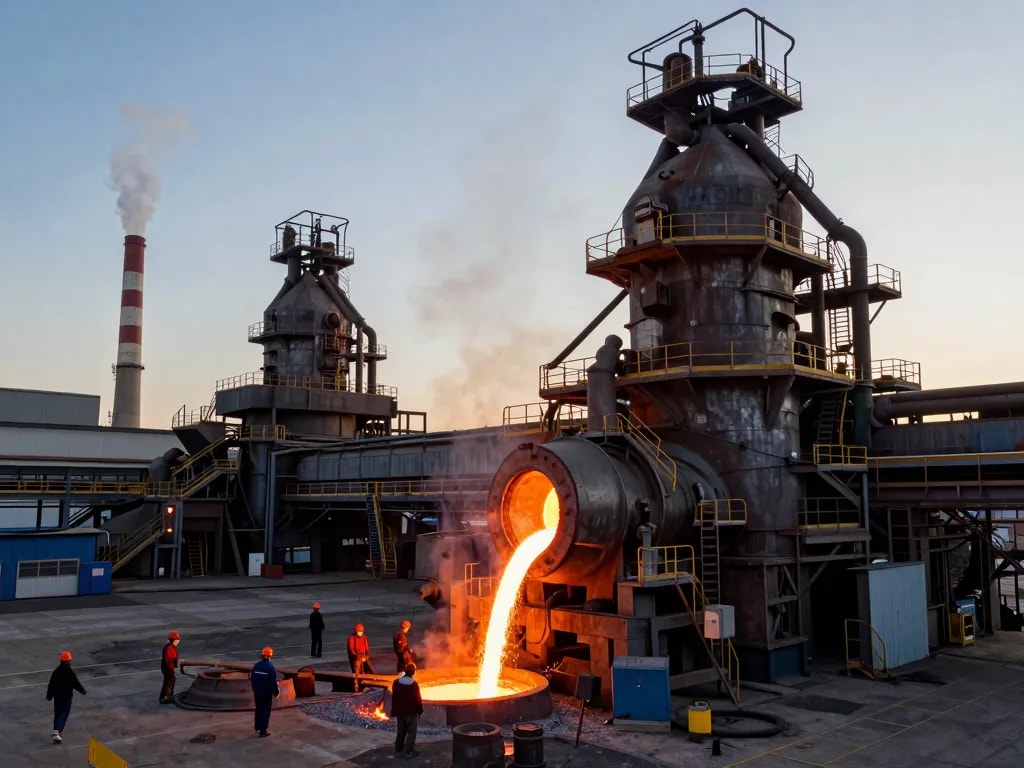
The Role of an Industrial Engineering Consultant in North America
Industrial engineering consulting plays a crucial role in optimizing productivity, enhancing efficiency, and ensuring compliance across various sectors in North America. In a landscape characterized by rapid technological advancements and stringent regulatory demands, the expertise of seasoned consultants becomes invaluable. These professionals leverage advanced methodologies and tools to address complex challenges faced by businesses, from manufacturing to healthcare. In this dynamic environment, Industrial Engineering Consultant North America offers comprehensive insights into innovative practices and techniques that can transform engineering consultancy.
Understanding Industrial Engineering Consulting
Industrial engineering consulting involves a variety of services aimed at improving processes, systems, and structures within organizations. These consultants apply scientific principles and engineering techniques to streamline operations, reduce waste, and enhance overall productivity. They work across multiple industries including manufacturing, healthcare, logistics, and more, bringing a wealth of knowledge to organizations seeking to optimize their workflows.
Key Responsibilities of Industrial Engineering Consultants
- Process Analysis: Analyzing existing processes to identify inefficiencies and suggest improvements.
- System Design: Designing and implementing systems that enhance productivity and meet organizational goals.
- Quality Assurance: Ensuring that processes maintain high quality standards through rigorous testing and compliance measures.
- Logistics Management: Developing effective supply chain strategies to minimize costs and enhance service delivery.
- Training and Development: Providing training to staff on new systems and methodologies to ensure smooth implementation.
Identifying Industries that Benefit Most
While industrial engineering consultants can add value to a variety of sectors, some industries particularly benefit from their expertise. The following sectors have seen significant transformations through industrial engineering consultancy:
- Manufacturing: Optimization of production processes, layout design, and implementation of lean manufacturing principles.
- Healthcare: Streamlining operations in hospitals to improve patient outcomes and minimize wait times.
- Logistics and Supply Chain: Enhancing distribution strategies to reduce costs and improve delivery times.
- Energy: Designing systems that promote sustainable energy use and compliance with environmental regulations.
- Construction: Improving project management and resource allocation to stay within budget and timeline constraints.
Common Challenges Faced by Engineering Consultancies
As industrial engineering consultancies navigate the complexities of various projects, they often face several challenges that can impede progress and affect client satisfaction. Understanding these challenges is the first step toward developing effective solutions.
Navigating Regulatory Compliance in 2026
The landscape of regulatory compliance is evolving, with new standards set to take effect in 2026. Industrial engineering consultants must stay abreast of these changes to ensure that their recommendations not only meet current regulations but also anticipate future compliance requirements. This often involves continuous education and adaptation of best practices to ensure that client projects align with evolving standards.
Staying Ahead of Technological Advancements
The rapid pace of technological advancement presents both opportunities and challenges for engineering consultancies. Keeping up with new software, tools, and methodologies is essential to maintain a competitive edge. This requires ongoing investment in professional development and integration of cutting-edge technologies in project execution.
Addressing Client Needs in Diverse Sectors
Each client presents unique challenges and expectations, often requiring customized solutions. Effective communication and a deep understanding of sector-specific requirements are vital for delivering successful outcomes. Industrial engineering consultants must be agile, adapting their strategies to meet the varied needs of clients across different industries.
Best Practices for Effective Engineering Consultancy
To navigate the challenges of the industry and deliver exceptional results, consultancies can adopt several best practices that enhance their service offerings and improve client satisfaction.
Implementing Advanced Analytical Tools
The deployment of advanced analytical tools can enhance the accuracy of data analysis and modeling. Tools such as Statistical Process Control (SPC), Six Sigma methodologies, and simulation software can identify inefficiencies and optimize processes effectively. This data-driven approach enables consultants to make informed decisions that lead to measurable improvements.
Utilizing Discrete Element Modeling (DEM)
Discrete Element Modeling (DEM) is a powerful simulation technique that allows engineers to study and predict the behavior of granular materials. This technology is particularly beneficial in industries such as mining and agriculture, where understanding material flow is critical for process optimization. By employing DEM, consultants can design more efficient systems that enhance productivity while minimizing material waste.
Creating Sustainable Solutions for Clients
As sustainability becomes increasingly important, engineering consultants must focus on developing solutions that reduce environmental impact. This includes designing energy-efficient systems, minimizing waste, and using sustainable materials. By promoting sustainable practices, consultants not only meet regulatory requirements but also enhance their clients' reputations.
Case Studies of Successful Engineering Consultancies
Case studies provide valuable insights into how engineering consultancy can lead to successful project outcomes across various sectors. They illustrate the application of best practices and innovative solutions that address industry-specific challenges.
Innovative Solutions in the Oil and Gas Industry
A leading engineering consultancy helped a major oil and gas operator redesign their pipeline management system. By implementing a combination of advanced tracking technology and predictive analytics, they improved the pipeline's operational efficiency, reduced downtime, and significantly lowered maintenance costs.
Transformative Engineering for Healthcare Facilities
In a project aimed at enhancing patient care, a consultancy implemented Lean principles in a large hospital's operating rooms. The resulting workflow redesign reduced patient wait times by 30% and improved surgical turnover rates, demonstrating the profound impact industrial engineering can have on healthcare.
Structural Engineering Success in Government Projects
For a government infrastructure project, a consultancy provided structural analysis and seismic design services for a new public building. By utilizing advanced modeling software, they ensured compliance with safety standards while optimizing costs, thereby delivering a project that met both functionality and aesthetic requirements.
Future Trends in Industrial Engineering Consulting
As the industry continues to evolve, several trends are emerging that will shape the future of industrial engineering consulting.
Predicted Innovations for 2026 and Beyond
In the coming years, the integration of artificial intelligence and machine learning in engineering processes is expected to revolutionize consultancy practices. These technologies will enable more accurate simulations and predictive analyses, allowing for better decision-making and resource allocation.
Emerging Markets for Engineering Solutions
With the global shift towards green technology, markets related to renewable energy and sustainable infrastructures are likely to expand. Engineering consultancies that specialize in these areas will find ample opportunities to offer innovative solutions that align with industry trends.
Preparing for Changes in Industry Standards
As regulatory changes continue to unfold, consultancies must be proactive in adapting to new industry standards. This includes ongoing training and development to ensure that teams are equipped with the latest knowledge and skills necessary to navigate these complexities successfully.
What is the role of an Industrial Engineering Consultant?
Industrial engineering consultants focus on optimizing processes and systems across various industries, helping organizations improve efficiency and reduce costs.
How can engineering consultants improve project outcomes?
Through detailed analysis, custom solutions, and implementation of best practices, engineering consultants enhance project outcomes by streamlining operations and ensuring quality compliance.
What are the benefits of using Discrete Element Modeling?
Discrete Element Modeling provides insights into material behavior and flow, leading to better design decisions and increased operational efficiency, especially in bulk material handling.
How do engineering consultants ensure regulatory compliance?
Consultants remain informed about current regulations and develop solutions that meet or exceed compliance standards through thorough documentation and testing procedures.
What trends should engineering consultancies prepare for in 2026?
Consultancies should prepare for advances in automation, sustainability trends, and continuous regulatory changes as key factors influencing the engineering industry in 2026.